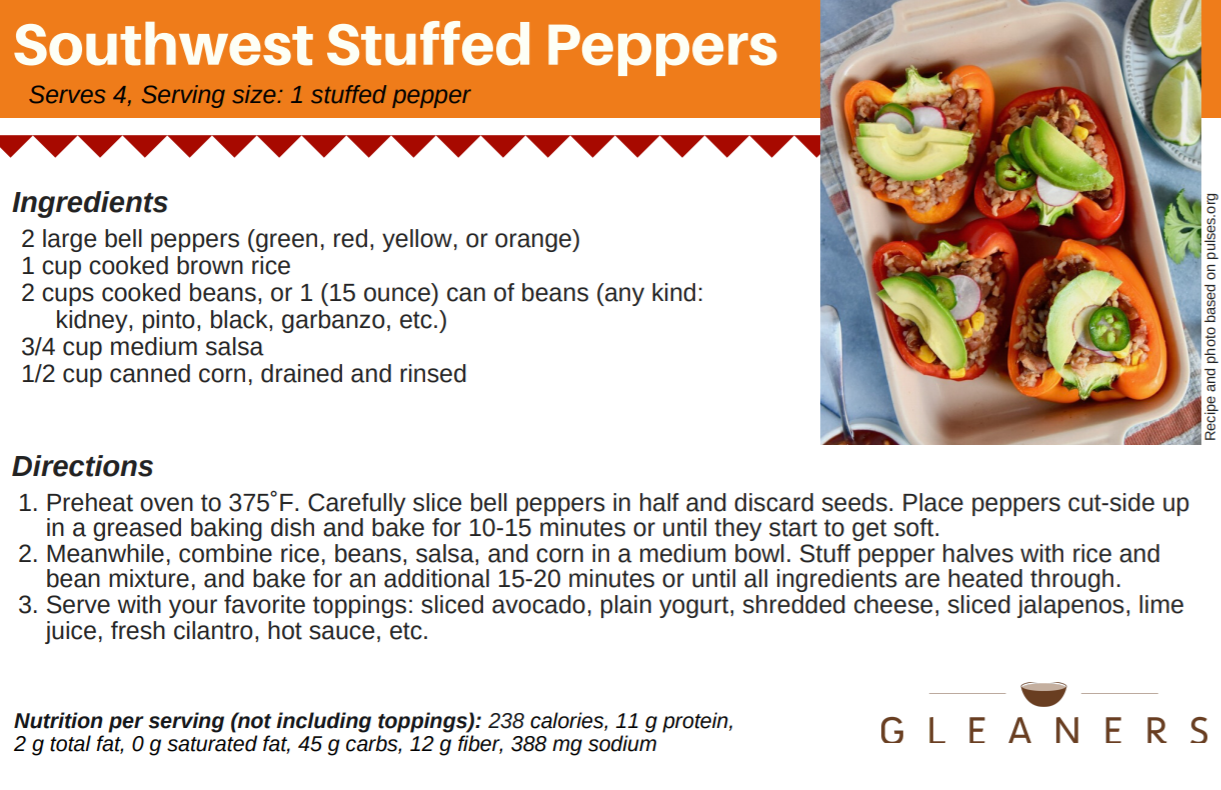
|
Blog post written by Kelsey Black, IUPUI Dietetic Intern March is National Nutrition Month®! To celebrate this time of focusing on good nutrition, let’s take a closer look at the Dietary Guidelines for Americans. These guidelines provide advice on what to eat and drink to meet nutrient needs, promote health, and help prevent chronic disease. The newest addition of the Dietary Guidelines for Americans (released in 2020) is the first to provide information on healthy dietary patterns by life stage. This includes birth through older adulthood, as well as women who are pregnant or lactating. If you would like more information, visit DietaryGuidelines.gov or MyPlate.gov.
Making Every Bite Count Adults who regularly exercise and eat a balanced diet tend to feel better, have better bone health, and reduce their risk of many diseases (such as heart disease, diabetes, depression, dementia, and certain types of cancer). So, what does a balanced plate look like? Use MyPlate as a guide! This tool can help you "make every bite count" by eating a variety of fruits, vegetables, grains, proteins, and dairy or soy alternatives at each meal. Eating a well-rounded mix of foods from each food group is important for promoting health at each life stage. 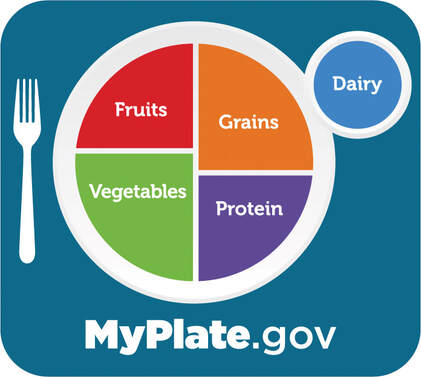 Key Messages for Every Life Stage
0 Comments
Blog post written by Melissa Elliott, IUPUI Dietetic Intern Happy American Heart Month! February is a time meant to encourage heart disease prevention by sharing healthy lifestyle tips and increasing awareness of heart health. Heart disease is one of the most common causes of death for American men and women. The good news is that up to 80% of heart disease is preventable by following a heart-healthy lifestyle. 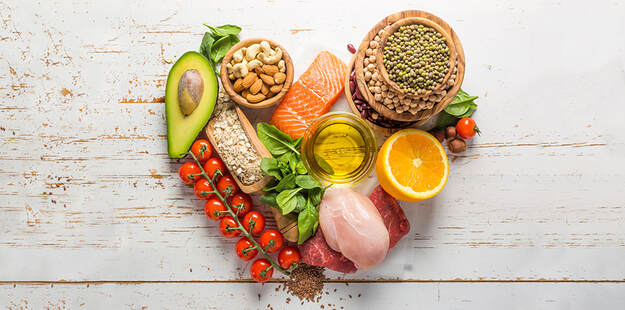 Photo from blog.publix.com Nutrition is a key factor to a heart-healthy lifestyle. What are some ways you can eat to protect your heart health?
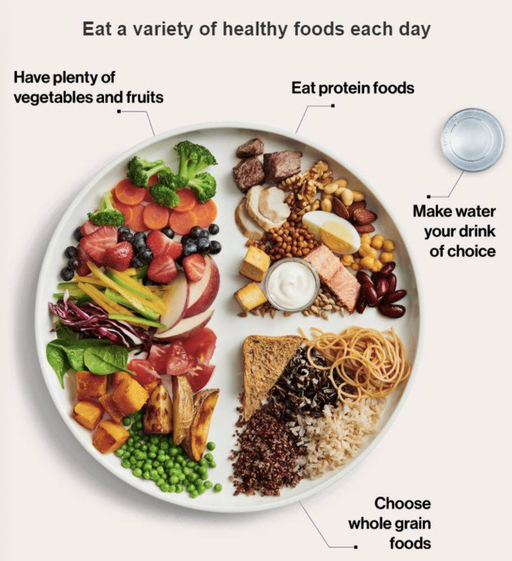 Photo from food-guide.canada.ca Try these heart-healthy meals from our Recipes Page to get started! You can also download our Heart Healthy Eating handout for more information.
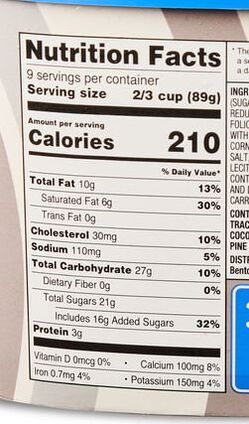
Content contributed by Ricah Lucero and Samantha Presslor, IUPUI Dietetic Interns November was National Diabetes Month, but you can take steps to prevent or manage diabetes all year long. This is especially important as we enter the holiday season, which can be filled with tempting treats, stressful schedules, and cold winter weather! Good nutrition is one key step in diabetes prevention and management. Choosing nutritious foods in the right amounts can help you reach your health goals, whether that is controlling your blood sugar, maintaining a healthy weight, or reaching a healthy blood pressure. However, it can be overwhelming to try to track the exact amounts of each food that you eat. A simple first step is to be mindful of portion sizes. Serving Size vs. Portion Size A serving size is the recommended amount of food that is listed on a package or used in nutrition guidelines, such as MyPlate. For example, the serving size of ice cream listed on this Nutrition Facts label is 2/3 cup.
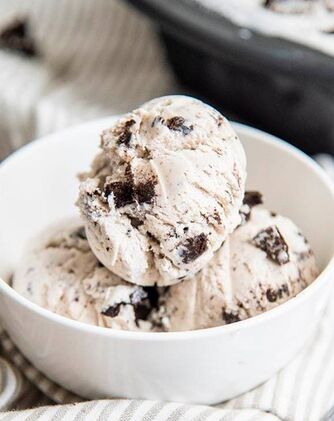
Photos from walmart.com and lmld.org A portion size is the amount of food that you actually serve yourself and eat. This can be more or less than the recommended serving size. For example, you may fill your bowl with ice cream, which actually holds 1-2 cups. Portion sizes at restaurants have increased over the years, and one entrée can sometimes have 2 or more servings! Reading labels and monitoring portion sizes can help you limit added sugar, sodium, and saturated fat in the foods you eat. In turn, this can promote blood sugar control, weight management, and an overall healthy lifestyle. A "Handy" Guide for Estimating Portion Sizes A good way to portion out food is to use measuring cups. However, since you may not always have measuring cups with you, there are other simple ways to estimate portion sizes. One way is to use something that is always with you: your hands! Different parts of your hands are about the same size as common serving sizes:
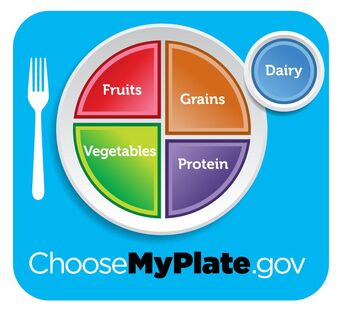
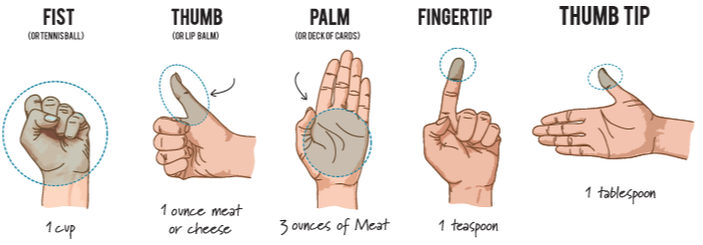 Image from fitstylebyshana.com Estimating Portion Sizes with MyPlate MyPlate is a another tool that can help you estimate portion sizes and plan balanced meals. The goal is to fill your plate with foods from different groups so you get all the nutrients your body needs. Here are the basic guidelines:
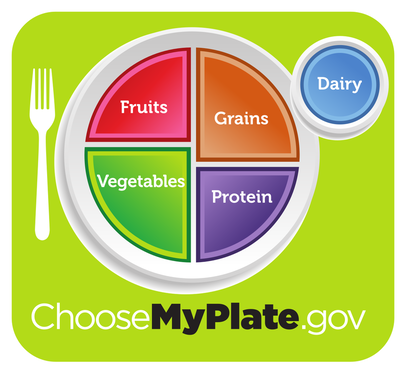 Some people with diabetes may be able to manage their blood sugars by following these simple guidelines at meals. Others may need to look more closely at specific serving sizes. The image below shows common serving sizes for each MyPlate food group. You will notice that fruits, vegetables, and dairy are measured in "cup equiv", which is short for "cup equivalents". Grains and proteins are measured in "oz-equiv", which is short for "ounce equivalents" These are simply ways of measuring different foods in a way that provides a similar nutrition value. For example, 1 slice of bread has about the same carbohydrate content as 1/2 cup of oatmeal. One egg has about the same protein content as 1/4 cup of beans. 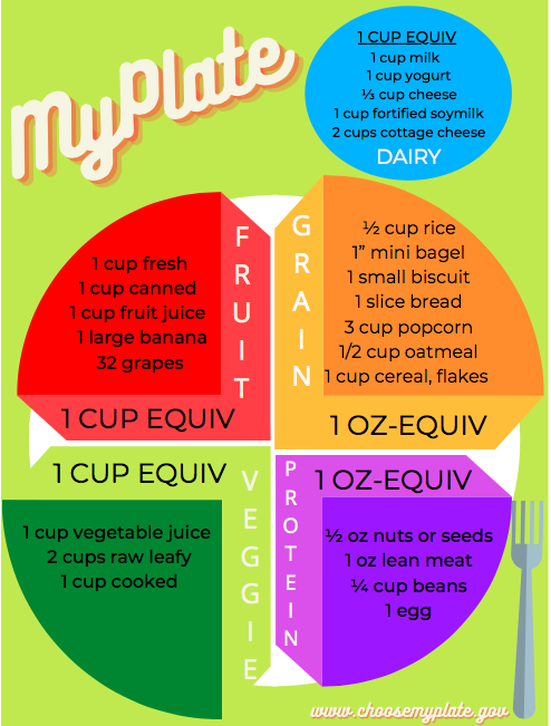 The chart below shows how many servings of each food group the average adult needs each day. Let's say a 40-year-old woman wants to plan out how many servings of grains she should eat each day. The chart lists "5 ounce equivalents", which means she can have 5 servings of foods that each equal 1 ounce equivalent. This could be 1/2 cup of oatmeal at breakfast (1 ounce equivalent), a sandwich with 2 slices of whole wheat bread at lunch (2 ounce equivalents), and 1 cup of brown rice at dinner (2 ounce equivalents). Your exact needs may be different based on your age, gender, weight, activity level, insulin sensitivity, etc. Visit ChooseMyPlate.gov and talk to a doctor or dietitian to make a plan that meets your specific needs. 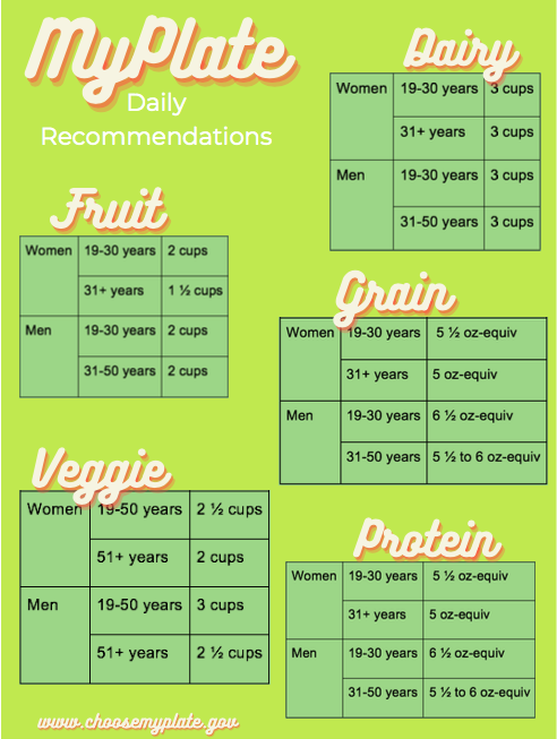
Project Overview: I started by working with the Immigrant Welcome Center (IWC) in order to get a better idea of how COVID-19 has been impacting the immigrant population and what Gleaners can do to help. The IWC reported that 38% of the immigrant population surveyed considered themselves to have less food security compared to before the pandemic. With more data from the IWC, I looked into Marion County zip codes with the highest numbers of immigrants reporting a need for food or rental assistance. This was an important step in my initial research that helped us better understand where immigrants are located and what resources are currently available to them. I continued by looking into how many American grocery stores, international grocery stores, convenience stores, food pantries, and food deserts are in these areas. I also talked to IWC Natural Helpers (immigrants who volunteer to assist other immigrants), read research articles on food insecurity and food pantries pertaining to immigrant populations, and joined the IWC weekly partner calls. Through all of this information-gathering, I learned that there are several barriers that many immigrants face in consistently accessing nutritious foods. These include:
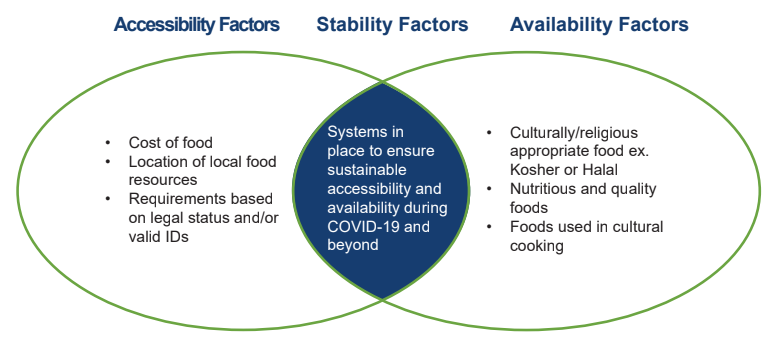 Image from IWC These barriers fall into three categories:
All three categories of barriers must be addressed in order to create stable and sustainable solutions to food insecurity among immigrants. What I learned from this experience: From my background research, I learned that increasing access to foods that are familiar to immigrant households is crucial for improving food security among this population. I explored some ways that Gleaners might be able to partner with international grocery stores to increase the availability of culturally and religiously appropriate foods at pantries. I decided to visit an international grocery store myself to see how the selection of foods might differ from what is typically available at a traditional "American" grocery store. Watch the video below for a 30-second tour of the Saraga International Food Market that I visited on the northwest side of Indianapolis. There were two key differences that stood out to me from my visit:
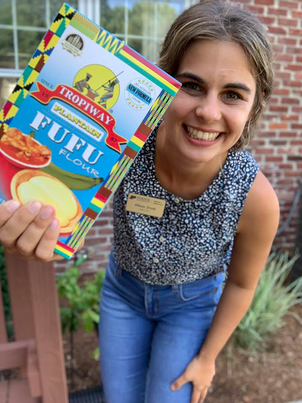
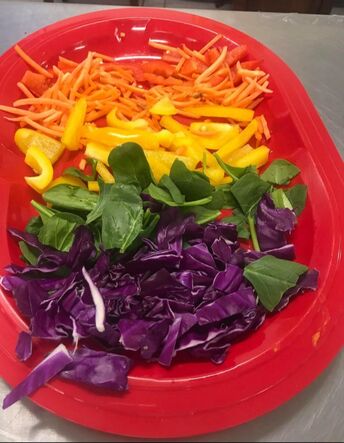
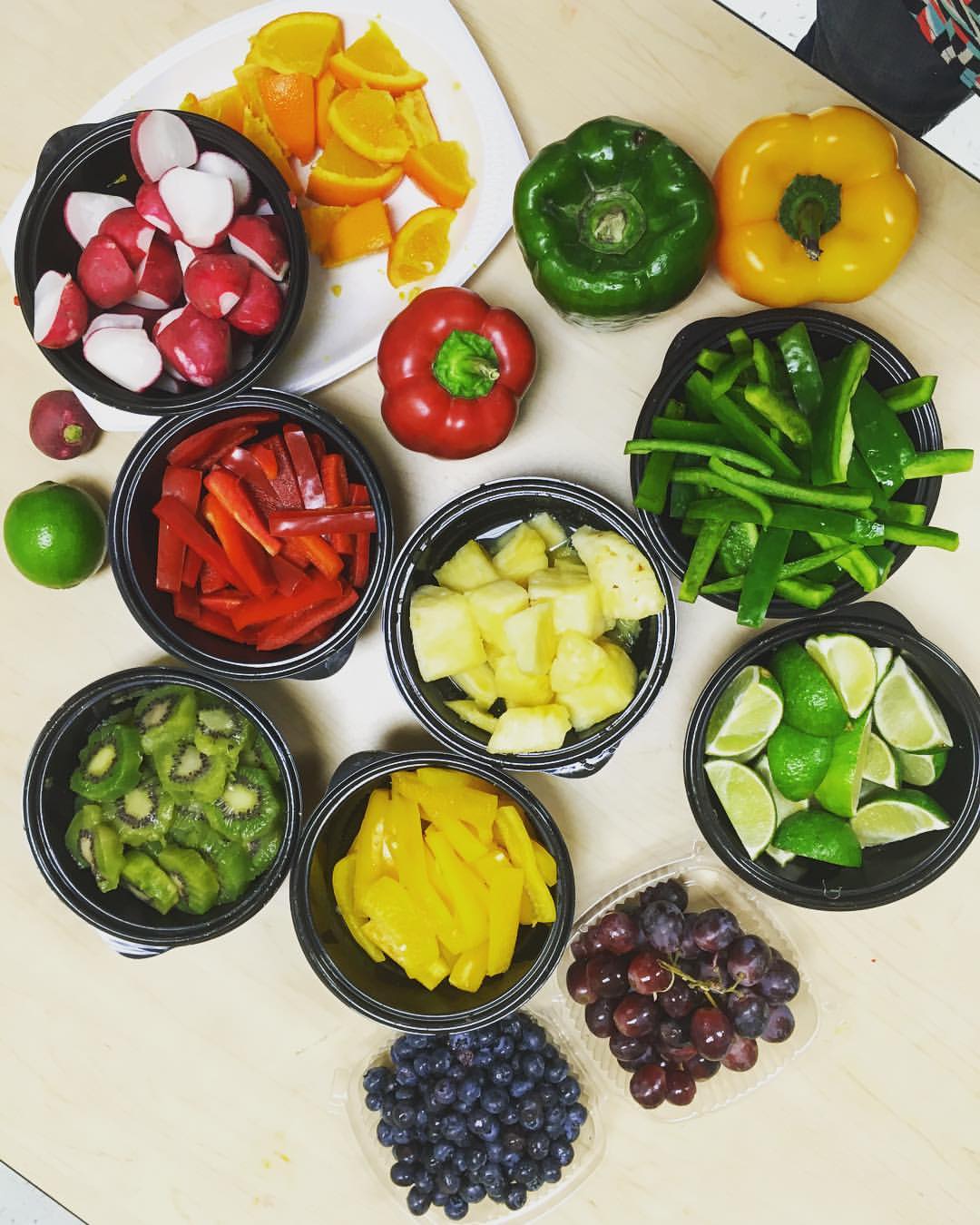
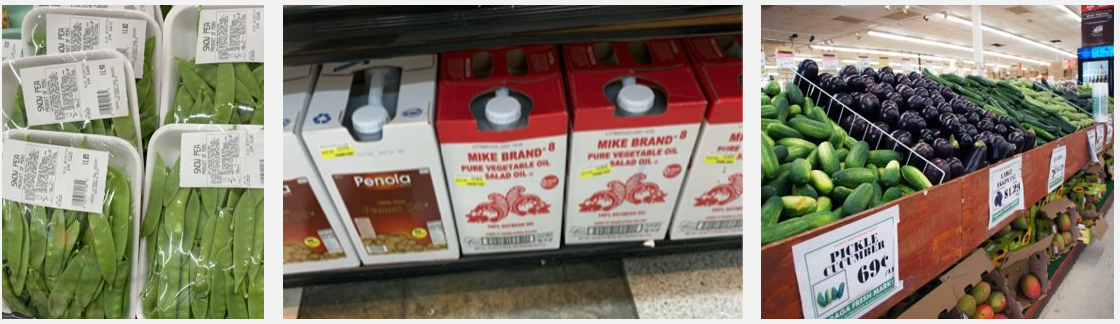 Images from Allison Drook and saragaindy.com Exploring New Foods: Wanting to look into more about foods from other cultures, I ended up buying some Fufu flour from the international market. This food comes from Nigerian culture and contains some of their staple foods: mashed plantain, potato granules, cassava, saffron and turmeric. I chose to focus on this culture because Nigeria is listed as one of the top countries of origin for immigrants served by the IWC, and I was not familiar with many of the common foods in this cuisine. Watch the video below to see how easy Fu Fu dough is to make! Click the links below to view the other recipes and handouts that I made during this rotation. These were all designed to help immigrants utilize the foods they might receive from food pantries, as well as to introduce some new cultural dishes to anyone who likes to explore different cuisines! Moving Forward: I am excited to see how Gleaners continues this collaborative and important work! Some next steps for Gleaners and IWC include exploring ways to source more culturally appropriate foods and spices, helping agency pantries be more welcoming and inclusive of immigrant clients, and translating recipes and educational resources in different languages. Stay up-to-date on the progress of this project and other nutrition outreach programs by visiting the NutritionHub website, Facebook page, and Instagram account regularly! This blog post was written by Kursten Nisonger, IUPUI Dietetic Intern Have you ever heard of “Eating the Rainbow” when it comes to adding more fruits and vegetables into your diet? This means filling your plate with every color of the rainbow: red, orange, yellow, green, blue and purple. There are benefits to including all of these colors into your diet that can improve your health in the long run! This month is National Fruits and Veggies Month (#NFVM) and we want to get the message out about increasing fruit and veggie consumption! Each color corresponds to a specific health benefit of eating the fruit or vegetable:
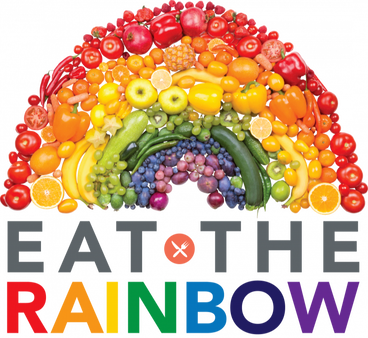 Photo from trilliumhealthresources.org As you can see, eating every color of the rainbow is good for your health! Fruits and vegetables also include important vitamins and minerals that your body needs, such as:
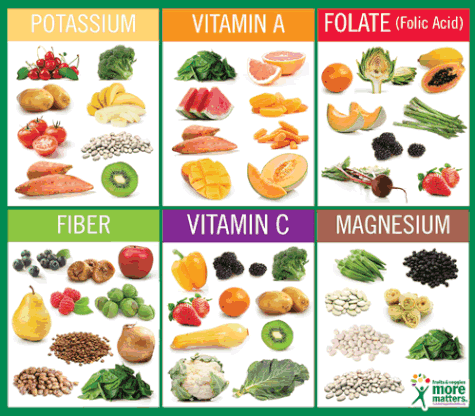 Photo from fruitsandveggies.org It is important to eat many different fruits and veggies to help keep our bodies healthy and working properly. Try to eat 1-2 cups of fruits and 1-3 cups of vegetables every day, depending on your age and calorie level. You can also use MyPlate as a guide by filling half of your plate with a rainbow of fruits and veggies.
Sources used:
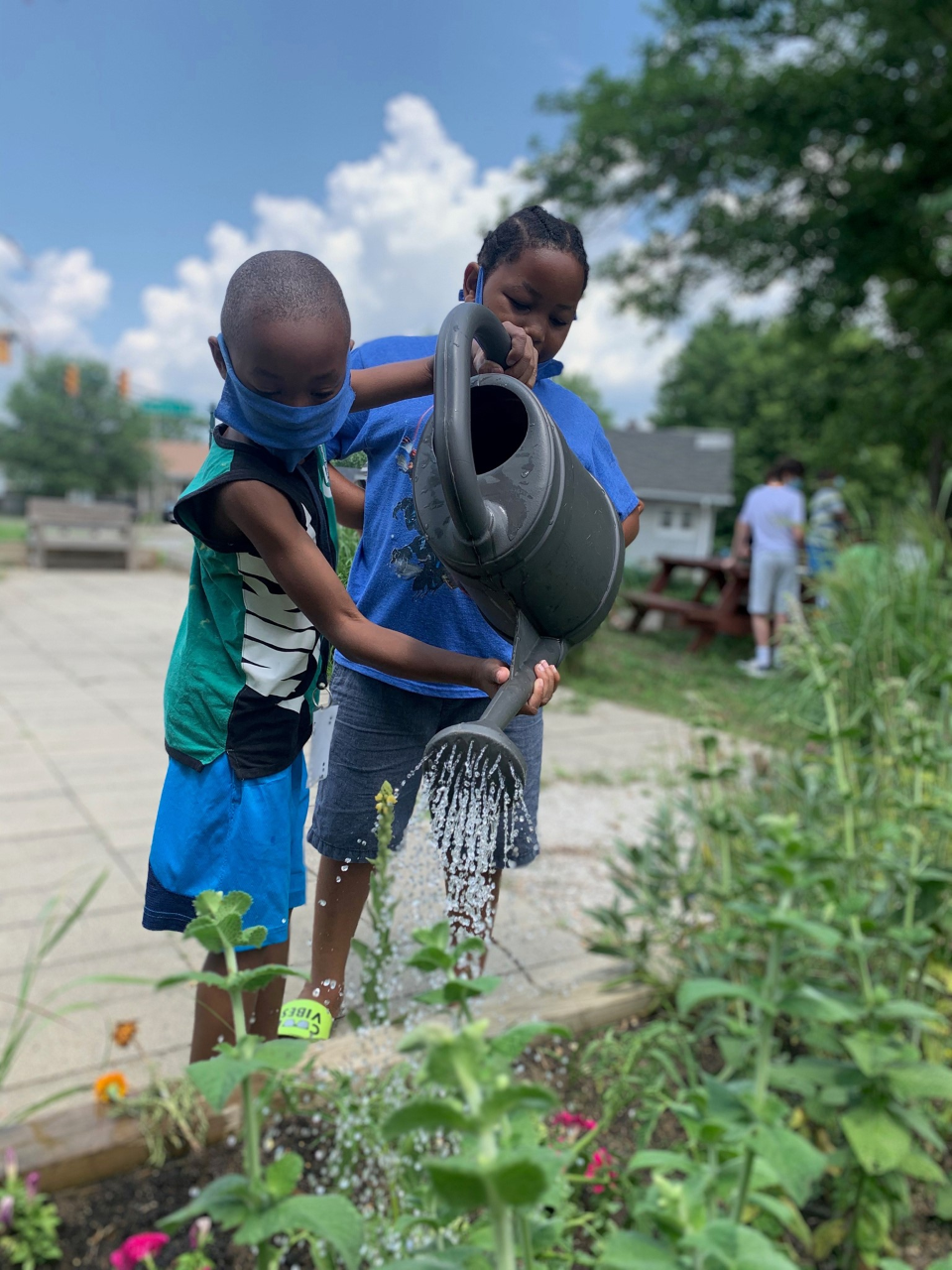
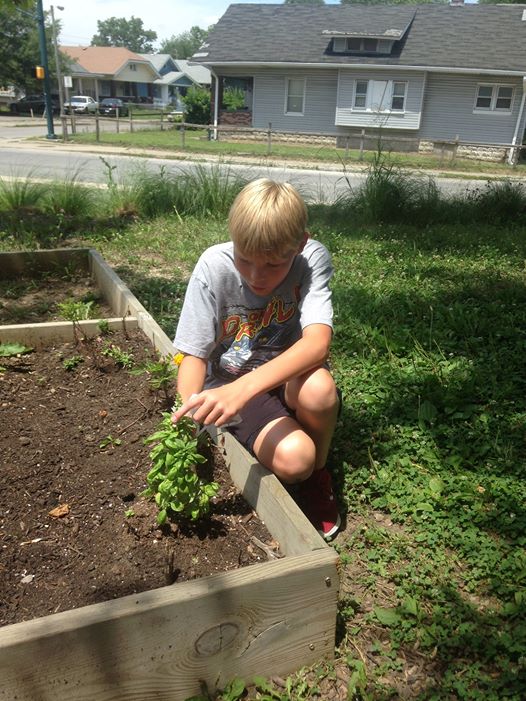
Hi everyone! My name is Lydia Conner, and I am the Summer Nutrition Intern at Gleaners Food Bank for the second year in a row. This summer was much different from the last two years of Summer Nutrition Club due to COVID-19. To keep everyone safe, Gleaners staff and partnering sites tried out virtual programming for the first time. While it has been a unique summer, this has been a valuable experience for me as I take my next steps toward becoming a dietitian. 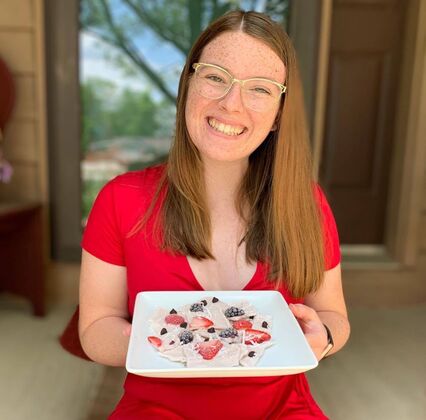 Lydia Conner, Summer Nutrition Intern, with one of this year's tasty recipes Over the past few months, I have been working with Sarah Wilson, Gleaners’ Nutrition Manager and Registered Dietitian Nutritionist, to navigate lesson content creation. Last summer’s lessons were focused on the five food groups of MyPlate, trying new fruits and vegetables, and interactive group activities. This year’s lessons built upon those concepts to involve children and families in growing fruits and vegetables, choosing healthy options, and preparing balanced meals together. Each of the three lessons featured kid-friendly cooking skills and healthy recipes that used foods from the Gleaners family meal boxes and produce boxes. As a bonus, the kids had the chance to follow along in weekly garden updates of my family’s garden, and I was able to show them how to incorporate some of our fresh produce into the recipes! 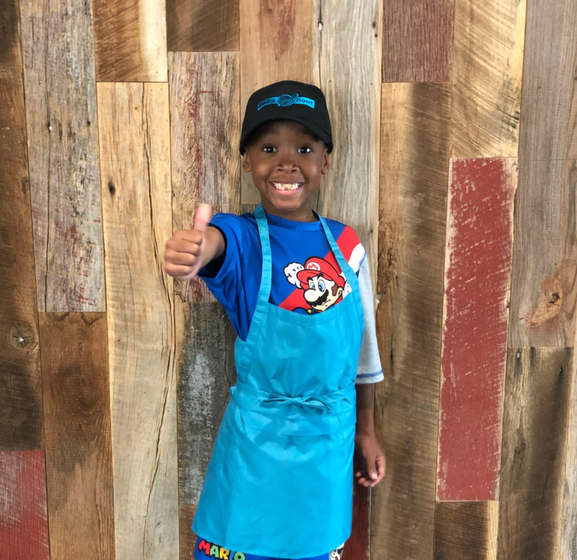 This child from Westminster Neighborhood Center was excited about participating in Summer Nutrition Club! The recipes for each week were:
The lessons also included basic garden care tips, a Fruit & Vegetable Musical Chairs Game, and a Plant & Animal Protein Activity. Overall, the objectives were to show the children where some of their food can come from and encourage them to choose a variety of foods from each food group. The summer came to a close with two Virtual Family Cooking Classes on Facebook Live: one on how to make zucchini boats and the other on how to make homemade pizza. My family had lots of zucchini coming out of our garden this summer, and it was put to great use for several different zucchini boat recipe variations. For the pizza recipe, I demonstrated how to make an easy homemade pizza dough, topping it with fresh veggies. The tomatoes and green peppers were fresh out of my family’s garden! I also provided tips for parents to include their children in the recipe preparation from preparing zucchini boats, measuring ingredients, topping the zucchini boats, and topping the pizzas. 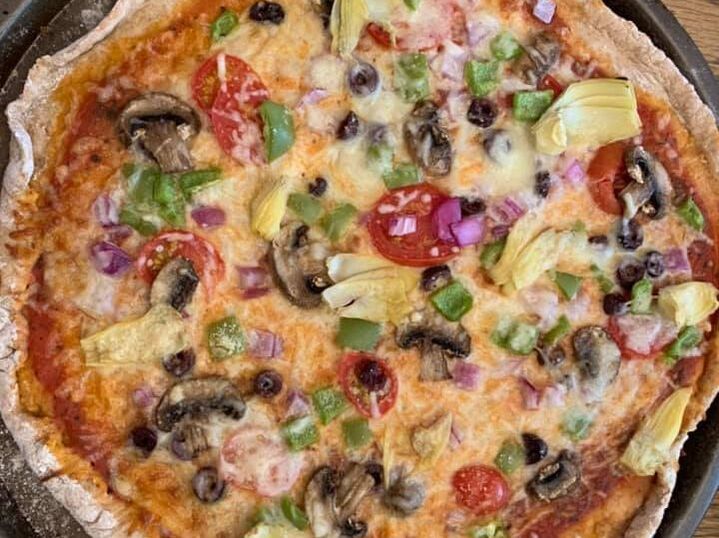 The finished pizza from our second Virtual Family Cooking Class on Facebook Live The recipes and recorded videos from each lesson and virtual family cooking class were posted on the Gleaners NutritionHub website and Facebook page. Links to this content were then emailed to each of the 30 Indianapolis community sites that received food boxes from Gleaners this summer. We were lucky to work with some wonderful site coordinators who went above and beyond to teach the lessons at their camps or send materials home with the family meal boxes!
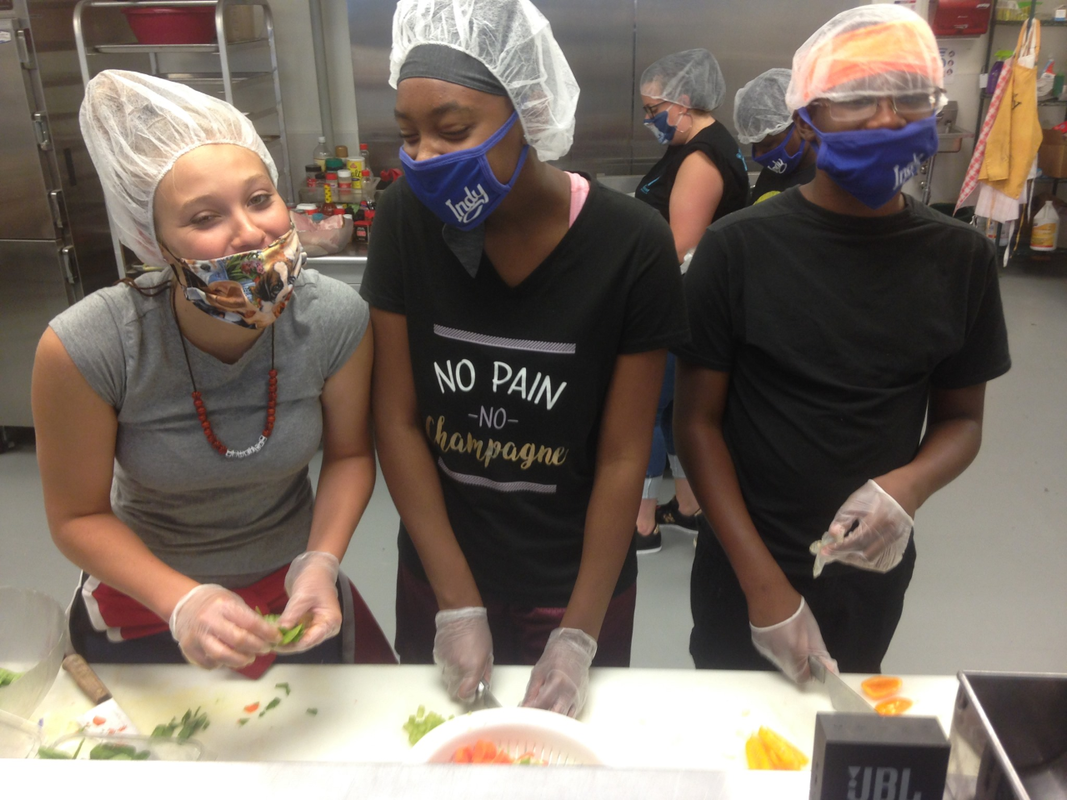 Youth from Westminster Neighborhood Services had a blast with hands-on learning about gardening and cooking this summer! While this summer was challenging to navigate at times, I am very grateful to have had the experience of communicating nutrition information virtually and contributing to the content on the new NutritionHub website. It will continue to be an amazing resource for the families that Gleaners serves, and Summer Nutrition Club material will now be available to anyone interested year-round!
Mental health has been a growing topic of discussion in recent years. New research is revealing more about the factors that affect psychological and emotional health. We are also learning more about the important role that mental well-being plays in many different factors of our society: academic achievement, economic success, family stability, medication management, and much more. What does this have to do with nutrition? Recent research has shown a connection between a healthy, balanced diet and improved mental health. 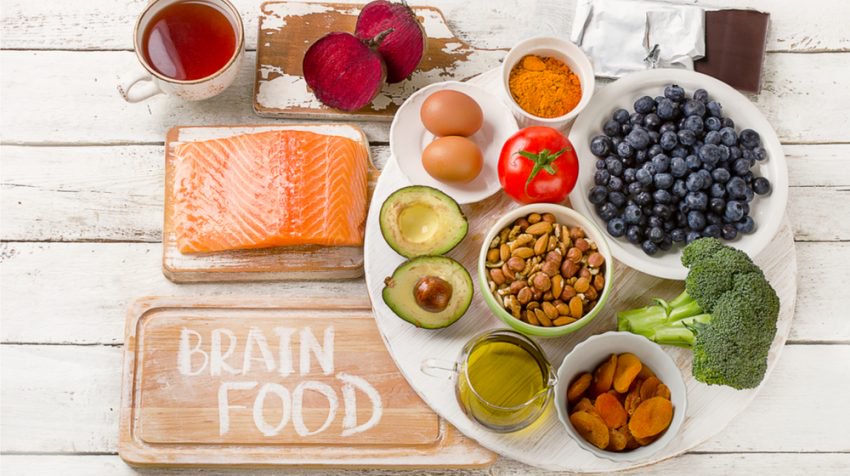 Photo from nutrition.org There are many possible reasons for this connection: 1. Nutritious foods - such as fruits, vegetables, whole grains, and lean proteins - are full of nutrients that your body needs to stay healthy. This includes supporting proper brain growth and development in kids, reducing inflammation, regulating mood, boosting energy levels, and fighting off disease. 2. Eating a balanced diet can support healthy weight management. Being at a weight that is healthy for YOU (this is different for each individual and each stage of life) can keep your body feeling its best and promote a positive body image. 3. When you feel better, you tend to eat better...and when you eat better, you tend to feel better! Mental health problems, such as depression, can sometimes lead to poor nutrition choices as a coping mechanism. On the other hand, good mental health can empower individuals to make nutritious choices throughout their day. 4. Food affects the chemicals in your brain. In fact, healthy foods like whole grains, fruits, vegetables, and legumes can boost levels of serotonin. Serotonin is a neurotransmitter that regulates mood, and higher levels of this chemical in your brain make you feel happy and energized. Empty calorie foods, like sweets or fried foods, can make you feel slow or sleepy.  Photo from www.premierintegrativehealthkc.com Note: Food alone is not meant to be a treatment for mental illness. Talk to your doctor or a mental health professional about what is best for managing your personal health! Interested in learning more? Visit these great resources, which were used to develop the content of this blog: The facts:
Food pantries serve populations with high rates of chronic disease. Providing and promoting a variety of healthy foods to clients can help prevent and manage chronic diseases to reduce this added burden on our communities.  Image from https://hungerandhealth.feedingamerica.org/ What are nutrition nudges? Nutrition nudges are subtle environmental cues that change consumer behaviors. The purpose of nudges is to encourage consumers to choose healthy, nutritious items by making the healthy choice the easiest choice. They are effective, low-cost ways to promote nutrition in pantries by providing nutrition education and increasing the distribution of healthy foods. Key nudge strategies include:
For example, highlighting “Heart Healthy” and “Diabetes Friendly” foods with shelf tags, adding color to walls and shelves, and providing recipe cards and educational handouts are all great ways to nudge clients. 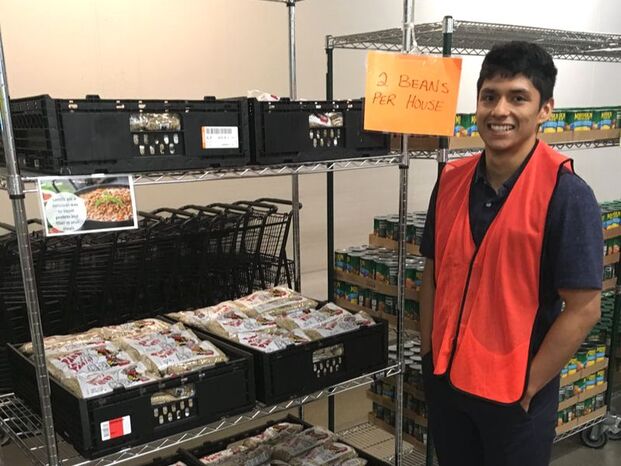 2019 IUPUI Dietetic Intern Angel Gomez stands near a display of bags of dried lentils. The shelf tag above the product reads: "Lentils are a delicious way to boost protein and fiber in your meals." Which foods should be nudged in pantries? Foods low in added sugar, sodium, and saturated fat should be encouraged for optimal health. These include:
Eating a variety of foods from all the food groups of MyPlate supports a healthy, well-balanced diet and can decrease the risk of developing chronic diseases. 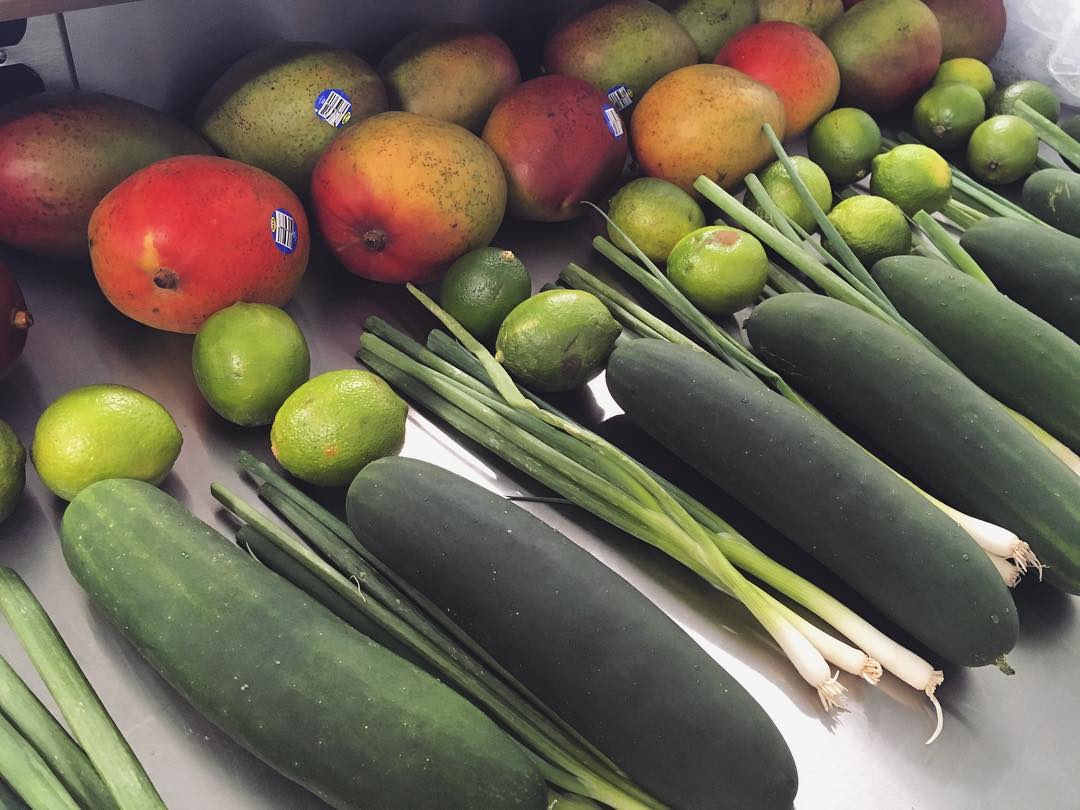 How do I get started with nudges?
Consider starting with a simple change to the layout of your pantry. Place healthy foods first in the shopping line or in easy-to-access areas at eye level. Place foods to limit at the end of the shopping line or in harder-to-reach places on shelves. Interested in learning more? Click here for recipes, nutrition education handouts and more. Click here for more information on nudges, training resources, and sample nudge materials. Sources used: This blog post was written by Morgan Belt, IUPUI Dietetic Intern, as part of her internship capstone project. Other activities that Morgan assisted with during her month-long capstone project included:
We are so grateful for all of Morgan’s hard work and contributions, and we wish her the very best in her future as a Registered Dietitian Nutritionist (RDN)! 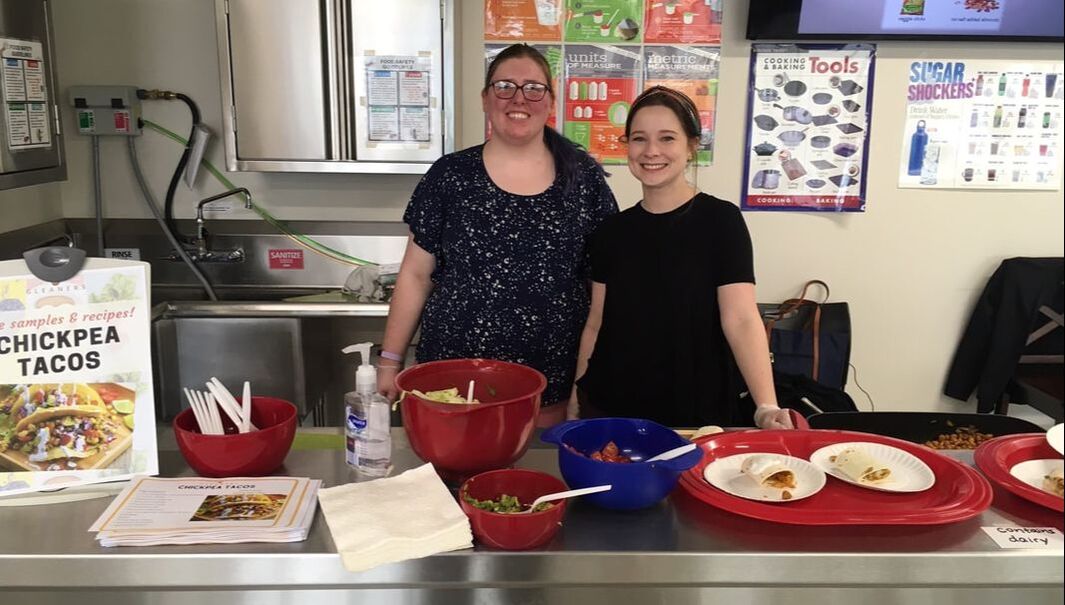 IUPUI Dietetic Interns Taylor Wilson (left) and Morgan Belt (right) presented a recipe demo for
chickpea tacos at the Gleaners Community Cupboard food pantry in January 2020 Content contributed by Tess Regan, IUPUI Dietetic Intern What is zinc and why do we need it? Zinc is an essential mineral, meaning it is necessary for good health. Vitamins and minerals are types of nutrients used to help the body work. Some minerals we need in major amounts and some we need trace amounts. We need large amounts of major minerals but small amounts of trace minerals. Zinc is a trace mineral, so we only need a small amount each day. Zinc cannot be made or stored in the body, meaning we must have a steady supply through the food we eat. It is found in food sources and nutrition supplements. Zinc is used to help us fight off colds and heal wounds. The body also uses zinc to make our DNA and help us grow and develop during childhood. How much zinc do I need in a day? Children should consume 3-5 milligrams of zinc daily. Teenage boys and adult men should consume 11 milligrams of zinc daily. Teenage girls and adult women should consume 8-9 milligrams of zinc daily. (For reference, one milligram is about the size of one grain of sugar or sand.) Refer to the chart below for specific suggestions: 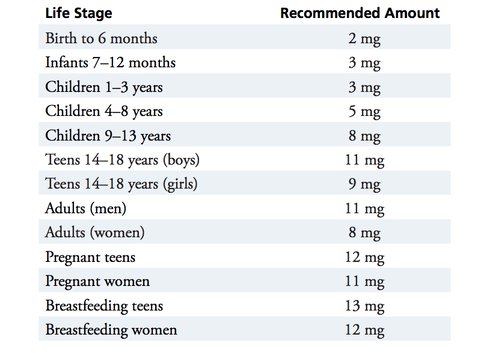 Chart from nih.gov/pdf/factsheets/Zinc-Consumer.pdf Which foods contain zinc? Zinc is found in a wide variety of foods. The best source of zinc is in oysters, which can be hard to come by. Red meat, chicken, and seafood are other great animal sources of zinc. Beans, nuts, seeds, and whole grains are great plant alternatives sources of zinc. Zinc can also be found in fortified cereals, dairy products, and even cough drops and multivitamins! 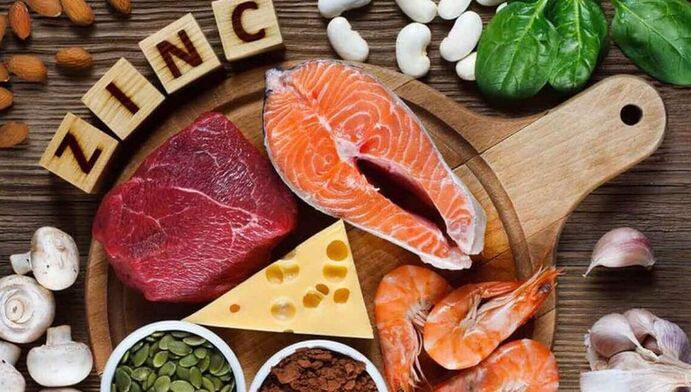 Photo from thefitglobal.com How do I know if I am getting enough zinc in my diet?
The amount of zinc in your body can be measured through a sample of blood. However, there are some physical warning signs that may hint at low levels of zinc. These can include weight loss, wounds that don't heal, decreased sense of smell and taste, diarrhea, and decreased appetite. Zinc deficiency is not common in the United States. Most people get enough zinc through the foods they eat. However, some groups of people may be at a higher risk for zinc deficiency. These include:
Do I need to take a zinc supplement? A supplement, such as a multivitamin or shake, is not necessary for most people. Individuals who eat meat, beans, nuts, and/or whole grains are likely meeting the daily requirements of zinc. However, over-the-counter supplements are available for individuals who may not get enough zinc in their diets. Be sure to talk to your doctor or a dietitian before taking any supplements. The best way to maintain healthy levels of zinc is to include a variety of foods in your diet! Sources Used: https://nih.gov/pdf/factsheets/Zinc-Consumer.pdf https://ods.od.nih.gov/factsheets/Zinc-HealthProfessional/ https://www.healthline.com/nutrition/zinc In the midst of this COVID-19 outbreak, everyone is doing their best to stay safe and healthy. It is important to follow CDC guidance to wash your hands often, reduce contact with anyone who is sick, and stay home if you don’t feel well. It is just as important to build healthy habits into your daily routine:
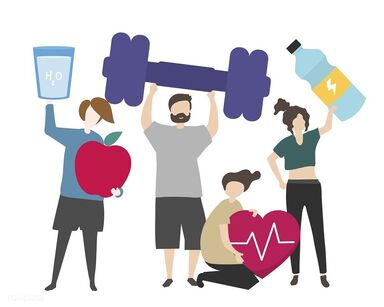 Image from rawpixel.com There are no specific foods that will keep you from getting sick. However, there are groups of foods that can help your immune system (and body overall) stay healthy. These food groups include:
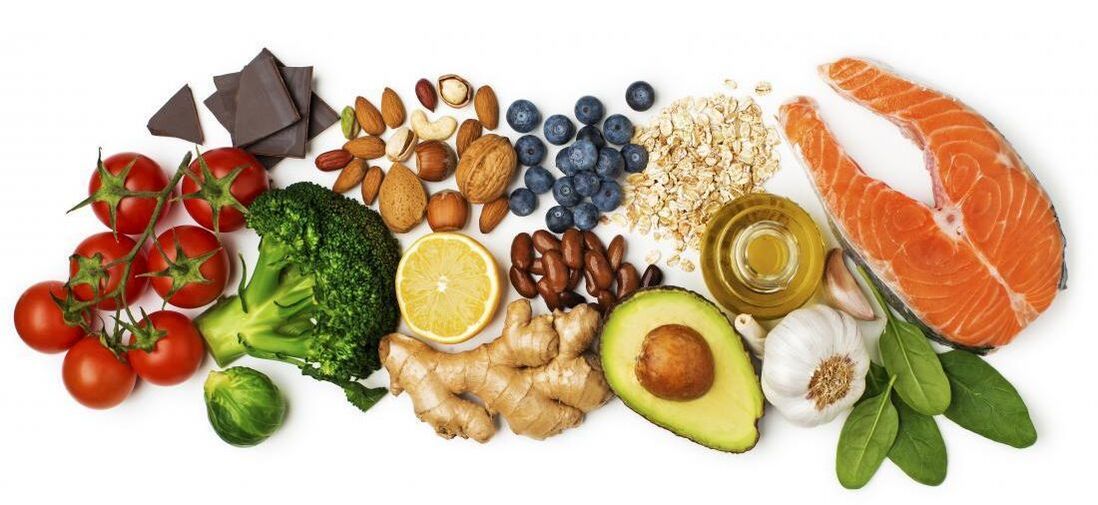 Image from www.medicalnewstoday.com Gleaners is committed to providing good nutrition to our neighbors during these uncertain times. Many of the foods listed above are being given to families through our drive-thru pantry, our mobile pantries, and other community food distributions. |
AuthorsStaff Registered Dietitians at Gleaners Food Bank of Indiana, along with guest blog posts by dietetic interns Archives
August 2023
Categories
All
|

 RSS Feed